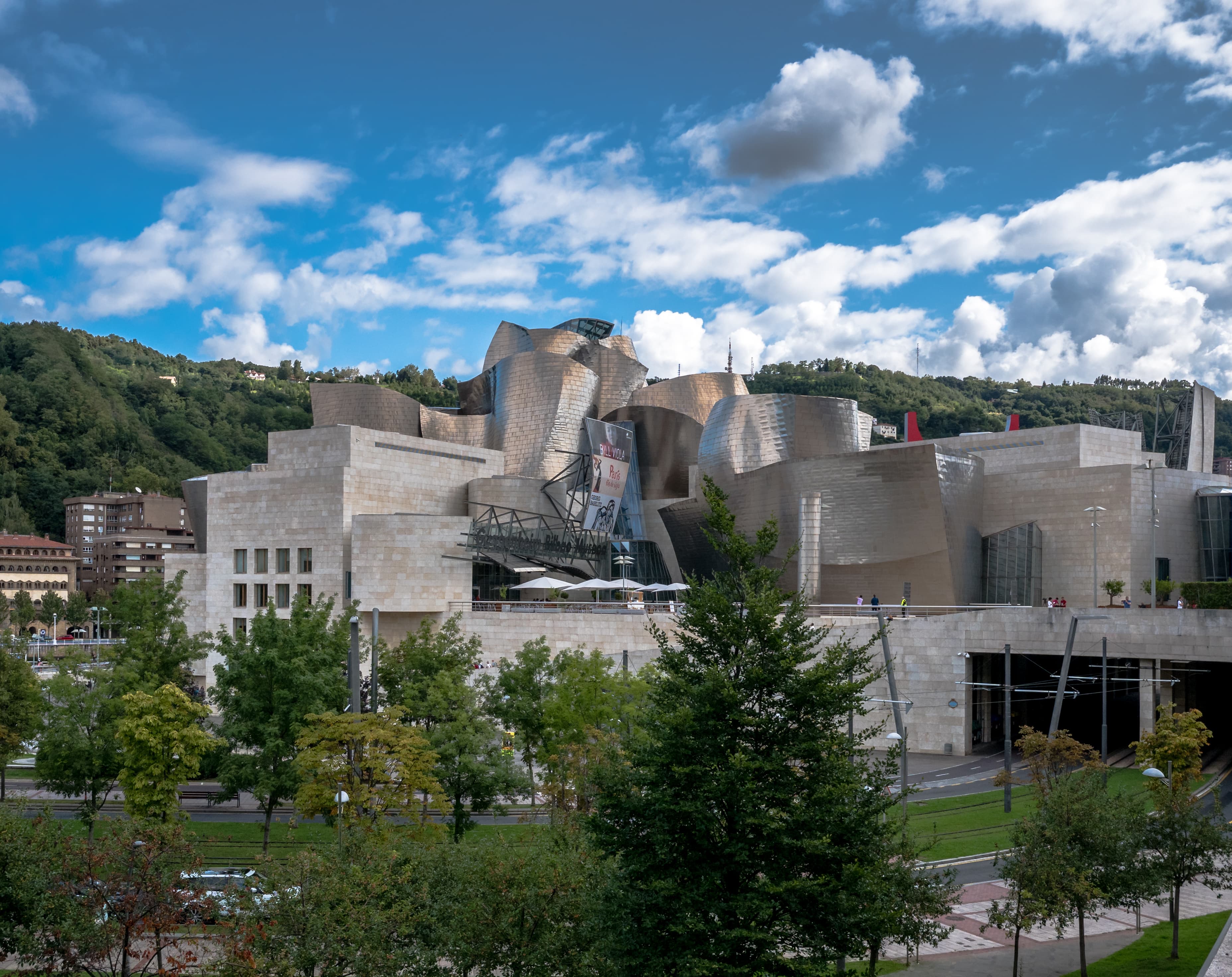
I've spent nearly five months exploring Spain over the past three years—far beyond the Barcelona-Madrid-Mallorca triangle that dominates most itineraries. And I can tell you: the Spain that most tourists never see is where the real magic lives.
Don't get me wrong—Barcelona is incredible, Madrid has world-class museums, and the Balearic Islands have stunning beaches. But Spain has so much more to offer. Medieval stone villages where time stopped in the 15th century. Wild Atlantic coastlines where you'll have entire beaches to yourself. Wine regions that rival anything in France. Mountain ranges that feel like Scotland dropped into the Mediterranean.
This is my guide to 19 hidden gems in Spain that most visitors miss—the places that made me fall deeply in love with this country. For more off-the-beaten-path European destinations, check out our guide to hidden gems in Europe. If you are starting with a city base before adding smaller towns, use our 3 days in Malaga itinerary for Andalusia or our 3 days in Bilbao itinerary for the Basque Country.
Quick Links - Skip Ahead:
👉 Northern Spain (Green Coast)
👉 Central Spain's Medieval Towns
👉 FAQs
Why Skip the Tourist Trail?
Here's the uncomfortable truth about Spain's popular destinations: Barcelona's Las Ramblas has become a tourist conveyor belt. Mallorca's beaches are packed. Seville's tapas bars charge double. But drive 30 minutes from any of these places, and you'll find authentic Spain—where locals outnumber tourists 10 to 1, prices drop by half, and the food is actually *better*.
The villages and towns in this guide aren't "undiscovered"—they're just overlooked by international tourists. Spaniards know them well. That's exactly why they're special.
Andalucía's White Villages
The pueblos blancos (white villages) of Andalucía are some of the most photogenic places in Europe—yet most tourists only see them from a tour bus window on the way to Ronda or Granada. These five deserve proper visits.
1. Frigiliana – The Most Beautiful Village You've Never Heard Of
Why it's special: Consistently voted Spain's most beautiful village by the Spanish themselves, Frigiliana is a cascade of whitewashed houses, cobblestone streets, and bougainvillea tumbling down ancient Moorish walls. Yet somehow, international tourists completely overlook it while packing nearby Nerja's beaches.
My experience: I found Frigiliana while escaping Málaga's crowds, and it genuinely stopped me in my tracks. The old Moorish quarter (Barrio Mudéjar) is a labyrinth of lanes so narrow you can touch both walls. I spent an afternoon wandering with no destination, finding hidden plazas and viewpoints that Instagram has somehow missed entirely.
Don't miss:
- The bodega selling sweet moscatel wine made from local grapes (€3/glass)
- Ceramic tiles along the streets telling the village's Moorish history
- Sunset from the upper village with views to the Mediterranean
- The 300-year-old restaurant Casa del Miel for local specialties
📍 Getting there: 6km from Nerja, 60km from Málaga. Bus from Nerja or easy drive.
⏰ Best time: April-June or September-October. Avoid August when Spanish families holiday.
💰 Budget: Day trip possible, or stay at El Palacio del Corregidor from €75/night
2. Zahara de la Sierra – The Dramatic Cliffside Village
Why it's special: Imagine a village built around a massive crag topped with a Moorish castle, overlooking an impossibly turquoise reservoir below. Zahara de la Sierra is like someone designed a fantasy village and accidentally made it real.
My experience: I visited during Corpus Christi in early June, and the streets were covered in intricate flower carpets—an ancient tradition that draws almost no foreign tourists. The locals spent days creating these temporary artworks from flower petals, only for them to disappear after the religious procession. It was one of the most beautiful things I've ever seen in Spain.
Don't miss:
- The climb to the castle ruins for 360-degree views
- Swimming in the reservoir (Embalse de Zahara) in summer
- Hiking in the Sierra de Grazalema Natural Park (Spain's wettest region)
- The Corpus Christi flower carpets (May/June—check dates!)
📍 Getting there: 1.5 hours from Málaga, 1 hour from Cádiz. Car essential. Planning a full trip? Start with our 3 days in Seville itinerary, then add the white villages as a slower Andalusia extension.
⏰ Best time: May-June for wildflowers and Corpus Christi. Avoid July-August heat.
💰 Budget: Boutique hotels from €60/night. Great value for the experience.
3. Setenil de las Bodegas – The Town Built Into Rocks
Why it's special: Setenil's houses are literally built into the overhanging rock formations above the Río Trejo gorge. The main street has massive boulders forming roofs and walls—it looks like the village is being swallowed by the earth. There's nowhere else quite like it.
My experience: Walking down the Calle Cuevas del Sol (Street of the Sun Caves) for the first time was surreal. You're walking through a canyon with houses carved directly into the cliff face above you. I had breakfast at a café where the ceiling was literally a boulder. The ham here is exceptional—don't leave without trying the local jamón ibérico.
Don't miss:
- Calle Cuevas del Sol for the iconic overhanging rock street
- Calle Cuevas de la Sombra (the shaded side, cooler in summer)
- Local restaurants serving chacinas (cured meats) in rock-carved rooms
- The viewpoint above town for the best photos
📍 Getting there: 15 minutes from Ronda. Easy to combine as a day trip.
⏰ Best time: Year-round, though spring brings wildflowers.
💰 Budget: Day trip from Ronda, or basic but charming accommodations from €45/night.
4. Vejer de la Frontera – Moorish Elegance on a Hilltop
Why it's special: Vejer is what happens when you combine Andalusian white villages with North African Moorish architecture and plop it on a dramatic hilltop near the coast. The old Jewish quarter feels like Morocco, the main plaza like a Spanish postcard, and the surrounding countryside like Tuscany.
My experience: I spent three nights in Vejer after finding the Cádiz coast too touristy, and it became my favorite base in southern Spain. The town has a vibrant food scene—unusual for villages this size—with innovative restaurants alongside traditional tapas bars. The roof terrace of Hotel V was my evening ritual for sunset over the countryside.
Don't miss:
- El Jardín del Califa for upscale Moorish-Spanish fusion cuisine
- The Jewish quarter (La Judería) with its narrow lanes and hidden patios
- Day trip to Bolonia beach and its Roman ruins
- The Saturday market in Plaza de España
📍 Getting there: 50km from Cádiz, 15km inland from the Costa de la Luz beaches.
⏰ Best time: Spring or autumn. Mild winters too. Summer gets hot but breezy.
💰 Budget: Mid-range boutique hotels €80-120/night. Worth staying 2-3 nights.
5. Júzcar – The Blue Village That Stayed Blue
Why it's special: Originally painted blue as a Smurfs movie promotion in 2011, the villagers voted to keep it when Sony offered to repaint it white. The novelty aside, Júzcar sits in the stunning Genal Valley surrounded by chestnut forests—making it spectacular in autumn when the trees turn gold against the blue houses.
My experience: I visited expecting kitsch and found genuine charm. Yes, it's blue. But the village is also a working agricultural community with excellent hiking trails, swimming holes in the valley below, and mushroom foraging opportunities in autumn. The locals have embraced their accidental tourism identity while keeping the village authentically rural.
Don't miss:
- Hiking the Valle del Genal trails through chestnut forests
- Autumn mushroom foraging season (local guides available)
- The natural swimming pools in the valley
- Photos at sunrise when the blue really pops
📍 Getting there: 25km from Ronda through mountain roads. Car essential.
⏰ Best time: October-November for autumn colors. Spring for wildflowers.
💰 Budget: Very affordable, rural accommodations from €40/night.
Northern Spain: The Green Coast
If you think Spain is all beaches and sangria, the north will completely surprise you. This is Green Spain—lush, rainy, Celtic, and nothing like the Mediterranean stereotype.
6. Combarro – Galicia's Seafood Paradise
Why it's special: This tiny fishing village on the Pontevedra estuary has the largest collection of hórreos (traditional granite granaries) in Galicia, lined up along the waterfront like something from a fantasy novel. More importantly, it has some of the best affordable seafood in Spain.
My experience: I came for the hórreos and stayed for the octopus. Galicia is Spain's seafood capital, and Combarro delivers the goods without the tourist markup of Santiago de Compostela. I had pulpo á feira (Galician octopus), percebes (goose barnacles), and a dozen oysters for under €30. In Lisbon, the same meal would cost €80.
Don't miss:
- Waterfront hórreos at sunset (arrive by 6pm for good light)
- Pulpo á feira at any waterfront restaurant
- The medieval stone houses in the old quarter
- Day trip to the Ría de Arousa for mussel farms
📍 Getting there: 7km from Pontevedra, easy day trip from Santiago de Compostela.
⏰ Best time: May-October for reliable weather. September is ideal.
💰 Budget: Day trip or rural accommodation from €50/night nearby.
7. Cudillero – The Colorful Fishing Village
Why it's special: Built into a steep amphitheater facing the Cantabrian Sea, Cudillero's houses are painted in bright Mediterranean colors—blues, yellows, pinks—creating a scene that looks transported from Italy. Except this is rainy, wild Asturias, and the vibe is entirely different.
My experience: Watching the fishermen unload their catch at dawn, then seeing that same fish on my plate for lunch, was a reminder of how disconnected most travel has become from real places. The sidrerías (cider houses) here are the real deal—watching the bartender pour cider from height into your glass is half the experience.
Don't miss:
- Sidrería Güela for traditional cider and atmosphere
- The harbor at dawn when fishing boats return
- The viewpoint climb to La Atalaya for coastal panoramas
- Cachopo (the Asturian meat dish) at Casa Prendes
📍 Getting there: 60km west of Gijón, 1 hour from Oviedo.
⏰ Best time: June-September. Expect rain—it's part of the charm.
💰 Budget: Rural hotels from €55/night. Excellent value.
8. Castro Urdiales – The Underrated Basque Coastal Town
Why it's special: Most tourists heading to the Basque Country aim for San Sebastián's beaches or Bilbao's Guggenheim. Castro Urdiales has a spectacular medieval old town, a Gothic church on a cliff, excellent pintxos bars, and far fewer visitors.
My experience: I discovered Castro Urdiales while looking for a cheaper alternative to San Sebastián, and it delivered beyond expectations. The Gothic church of Santa María on the headland is genuinely stunning, the pintxos scene rivals its more famous neighbors, and the beach is perfectly swimmable. Best of all, I could actually get a table at restaurants.
Don't miss:
- Iglesia de Santa María de la Asunción (the Gothic church on the cliff)
- Pintxos crawl along Calle la Rúa
- Swimming at Brazomar beach
- The Friday market for local produce
📍 Getting there: 35km from Bilbao, on the border of Cantabria and Basque Country. It works best as an add-on to our 3 days in Bilbao itinerary, especially if you want one coastal day beyond the city.
⏰ Best time: June-September for beach weather. May and October for fewer crowds.
💰 Budget: Affordable apartments from €60/night. Day trip easily from Bilbao.
9. Alquézar – The Canyoning Capital of Europe
Why it's special: This medieval village perches above a dramatic limestone canyon in Aragón's Sierra de Guara, with a stunning collegiate church dominating the skyline. It's also Europe's premier canyoning destination—but even without adventure sports, the village itself is spectacular.
My experience: I came for the canyoning (which was incredible) and stayed for the village. Alquézar's stone buildings cascade down the hillside toward the Río Vero, and the canyon rim walk at sunset is one of Spain's most scenic easy hikes. The restaurants serve excellent Aragonese cuisine—try the local wine from Somontano, one of Spain's underrated wine regions.
Don't miss:
- The Ruta de las Pasarelas canyon walk (easy, stunning, free)
- La Colegiata de Santa María la Mayor
- Canyoning with a local guide (half-day from €45)
- Wine tasting in nearby Somontano
📍 Getting there: 50km from Huesca. Car essential.
⏰ Best time: May-June or September for canyoning. Spring for wildflowers.
💰 Budget: Charming stone houses from €65/night. Book ahead in summer.

Save these places before you forget them
Share a supported TikTok or Instagram link to Dream Trip, check the places it finds, and keep them together on your trip map.
Central Spain's Medieval Towns
The meseta—Spain's vast central plateau—hides some of the country's best-preserved medieval towns. These places feel frozen in time, far from coastal crowds.
10. Albarracín – Spain's Most Beautiful Village
Why it's special: Frequently voted Spain's most beautiful village, Albarracín is a medieval town of pink-hued stone walls and timber-framed houses clinging to a rocky ridge above the Guadalaviar River. The isolation is exactly its charm—30km from the nearest city, far from any major tourist route.
My experience: Getting to Albarracín requires effort, which keeps the crowds away. I arrived at sunset when the pink stone walls glowed golden, and I understood immediately why Spaniards revere this place. The narrow streets wind impossibly, the ancient walls climb improbable slopes, and the silence at night is profound. This is Spain's answer to Cinque Terre—equally beautiful, 1% of the tourists.
Don't miss:
- Sunset walk on the ancient walls surrounding the town
- The prehistoric rock art sites nearby (UNESCO World Heritage)
- Cathedral and Diocesan Museum
- Staying overnight when day-trippers leave (essential!)
📍 Getting there: 30km from Teruel, 3 hours from Madrid. Car essential.
⏰ Best time: Spring or autumn. Summer brings Spanish visitors. Winter can be cold but magical.
💰 Budget: Historic hotels from €70/night. Book ahead—limited rooms.
11. Pedraza – The Village Without Cars
Why it's special: A perfectly preserved medieval walled village where cars are banned from the center. The main plaza is lined with stone arcades, streets paved with ancient cobblestones, and the restaurants serve the best roast lamb in Castile.
My experience: I visited during the Concierto de las Velas in early July, when thousands of candles replace electric lights throughout the town. Classical music fills the medieval streets while candlelight flickers off ancient stone walls. It's one of Spain's most magical events—yet surprisingly uncrowded compared to festivals in larger cities.
Don't miss:
- Cordero asado (roast lamb) at any traditional restaurant
- Concierto de las Velas festival (early July—check dates!)
- The castle viewpoint for sunset
- Walking the walls in the quiet evening hours
📍 Getting there: 38km northeast of Segovia. Day trip possible, overnight better.
⏰ Best time: July for the candle festival. Spring and autumn otherwise.
💰 Budget: Historic inns from €80/night. Day trip from Madrid (1.5 hours) works too.
12. Trujillo – Conquistador Country
Why it's special: This Extremaduran town gave birth to some of Spain's most famous conquistadors—Francisco Pizarro (who conquered the Inca Empire) was born here. The Plaza Mayor is one of Spain's most impressive, the medieval quarter is remarkably intact, and tourists are genuinely rare.
My experience: I expected a dusty, overlooked town and found one of Spain's hidden treasures. The Plaza Mayor rivals Salamanca's for beauty, but without the crowds. I spent an afternoon wandering the medieval upper town, finding palaces built with Peruvian gold and storks nesting on church towers. The regional food—particularly the local cheese and jamón—is outstanding.
Don't miss:
- Plaza Mayor and its monumental palaces
- The medieval castle and upper town
- Local Torta del Casar cheese (strong, creamy, unforgettable)
- Storks nesting on the bell towers (spring)
📍 Getting there: 45km from Cáceres, 2.5 hours from Madrid.
⏰ Best time: Spring for storks and wildflowers. Autumn for mild weather.
💰 Budget: Excellent value, boutique hotels from €55/night.
13. Cuenca – Hanging Houses and Dramatic Gorges
Why it's special: Famous for its casas colgadas (hanging houses) built over a dramatic gorge, Cuenca is a UNESCO World Heritage Site that most international tourists overlook entirely. The old town sits on a narrow ridge between two rivers, with vertiginous drops on both sides.
My experience: Standing on the Puente de San Pablo—the iron footbridge crossing the gorge—with the hanging houses above and a 100-meter drop below was genuinely dizzying. Cuenca has a thriving contemporary art scene (the Museo de Arte Abstracto in a hanging house is world-class) that contrasts beautifully with its medieval bones.
Don't miss:
- The hanging houses (Casas Colgadas) viewed from Puente de San Pablo
- Museo de Arte Abstracto Español
- The Cathedral and Plaza Mayor
- Hiking the Hoz del Huécar gorge
📍 Getting there: High-speed train from Madrid (50 minutes!) makes day trips easy.
⏰ Best time: Year-round. Hot in summer but the gorge provides shade.
💰 Budget: Excellent value. Parador hotel in a historic convent from €100/night.
The Wild Islands
Beyond Mallorca and Ibiza, Spain has islands that feel completely different—wilder, quieter, more authentic.
14. Menorca – The Quiet Balearic
Why it's special: While Mallorca and Ibiza draw millions, Menorca was designated a UNESCO Biosphere Reserve and has maintained a low-key atmosphere. The beaches rival anywhere in the Mediterranean, but without the mega-resorts and nightclub crowds.
My experience: After the madness of Ibiza, Menorca felt like a different country. I spent a week exploring hidden coves accessible only by boat or long walks, eating caldereta de langosta (lobster stew) in tiny fishing villages, and never waiting for a restaurant table. This is what the Balearics used to be.
Don't miss:
- Caldereta de langosta in Fornells
- Cala Macarella and Macarelleta beaches
- The Camí de Cavalls coastal path (185km around the island)
- Prehistoric Talayotic monuments
📍 Getting there: Flights from Barcelona, Madrid, or other Balearic islands.
⏰ Best time: May-June or September. July-August are busy but manageable.
💰 Budget: Finca (farmhouse) accommodation from €90/night. Book early for summer.
15. Formentera – The Caribbean of Spain
Why it's special: The smallest inhabited Balearic island has crystal-clear waters and white sand beaches that genuinely rival the Caribbean. Accessible only by ferry from Ibiza, Formentera has no airport, no high-rise hotels, and a pace of life that forces you to slow down.
My experience: Arriving by ferry from Ibiza's madness, Formentera felt like entering another dimension. I rented a bicycle and spent three days pedaling between beaches, each one more stunning than the last. Illetes Beach has water so clear you can see fish swimming around your ankles. The island is expensive in season, but worth every euro for the escape.
Don't miss:
- Illetes Beach (consistently ranked among Europe's best)
- Cycling the island's flat roads between beaches
- Es Pujols for restaurants and nightlife (mild by Ibiza standards)
- Far de la Mola lighthouse at the island's eastern tip
📍 Getting there: 30-minute ferry from Ibiza. No airport.
⏰ Best time: May-June or September. August is packed and expensive.
💰 Budget: Expensive in season (€150+/night). Shoulder season more reasonable.
16. La Graciosa – The Eighth Canary Island
Why it's special: This tiny island off Lanzarote's northern tip has no paved roads, no cars (only sand tracks), and just one village with 700 residents. It's the smallest inhabited island in the Canary archipelago—a desert island that feels genuinely remote despite being 25 minutes from Lanzarote by ferry.
My experience: Walking the sandy tracks between beaches with nothing but volcanic peaks and turquoise water in sight was like being on another planet. La Graciosa is unvarnished—no fancy restaurants, no luxury hotels, no Instagram influencers (yet). Just simplicity, stunning beaches, and the best fresh fish I've had in the Canaries.
Don't miss:
- Playa de las Conchas (stunning beach, worth the walk)
- Fresh fish at any of the village restaurants
- Walking or cycling the sandy tracks (bike rental available)
- The ferry ride itself for views of the Chinijo Archipelago
📍 Getting there: 25-minute ferry from Órzola, northern Lanzarote.
⏰ Best time: Year-round thanks to Canarian climate. March-May and September-November ideal.
💰 Budget: Basic but charming accommodations from €60/night. Day trip possible.
Eastern Spain's Hidden Treasures
The Mediterranean coast beyond Barcelona has gems that most tourists drive straight past. If you want an easy city base before exploring this region, start with our 3 days in Valencia itinerary.
17. Morella – The Fortified Mountain Town
Why it's special: A medieval fortified town crowned by a 13th-century castle and encircled by 2.5 kilometers of walls with towers. Morella rises dramatically from the surrounding countryside in Valencia's Maestrazgo region—and during truffle season, it becomes a foodie destination rivaling anywhere in Spain.
My experience: I visited in January specifically for truffle season, and it was a revelation. The local black truffles are shaved generously over everything—eggs, pasta, meat—at prices that would be impossible in France. The Gothic basilica is stunning, the medieval streets atmospheric, and the winter fog that sometimes fills the valleys below the walls is genuinely magical.
Don't miss:
- Truffle season (November-March) at any local restaurant
- The Gothic Basilica of Santa María la Mayor
- Walking the complete medieval wall circuit
- Casa Roque for traditional Maestrazgo cuisine
📍 Getting there: 65km from Castellón, 180km from Valencia. Car essential.
⏰ Best time: November-March for truffles. Spring and autumn for hiking.
💰 Budget: Excellent value, historic hotels from €60/night.
18. Cadaqués – Dalí's Mediterranean Escape
Why it's special: This whitewashed village on the Cap de Creus peninsula was Salvador Dalí's home (his house-museum is nearby in Port Lligat). The winding mountain road that's the only access filters out casual visitors, preserving a bohemian atmosphere that attracted artists for decades.
My experience: Cadaqués requires commitment—the drive over the mountains from Figueres is slow and winding. That's exactly why it works. Once there, the village feels protected from the outside world. The waterfront cafés, the rocky coastline, the light that Dalí painted obsessively—it all makes sense once you arrive.
Don't miss:
- Casa-Museu Salvador Dalí in Port Lligat (book ahead!)
- Sunset drinks at the waterfront
- Cap de Creus Natural Park for dramatic coastal landscapes
- Swimming at the small pebble beaches
📍 Getting there: 35km from Figueres, slow mountain road. Car essential.
⏰ Best time: May-June or September-October. August is busy but manageable.
💰 Budget: Boutique hotels from €100/night. Worth the splurge for the setting.
19. Peñíscola – The Mediterranean Dubrovnik
Why it's special: A fortified old town on a rocky peninsula jutting into the Mediterranean, crowned by a 14th-century Knights Templar castle. Peñíscola was used as a filming location for Game of Thrones—yet most international tourists have never heard of it.
My experience: Walking through Peñíscola's sea walls with the Mediterranean crashing below and the castle rising above, I couldn't believe this place doesn't get more attention. Yes, there's a modern beach resort attached, but the old town itself is genuinely spectacular—and the beaches on either side are excellent.
Don't miss:
- The Knights Templar castle (where an antipope once held court!)
- Walking the complete old town walls
- Beaches on both sides of the peninsula
- Fresh seafood in the old town restaurants
📍 Getting there: 150km from Valencia, 230km from Barcelona. Train or car.
⏰ Best time: May-June or September-October. Summer is busy but still enjoyable.
💰 Budget: Great value, hotels with old town views from €70/night.
Practical Information
Getting Around Spain's Hidden Gems
Car rental is essential for most destinations on this list. Spain's rural roads are excellent, parking is usually free or cheap, and public transport to smaller villages is limited or nonexistent.
| Region | Rental Hub | Drive Time to Gems |
|---|---|---|
| Andalucía | Málaga | 1-2 hours |
| Northern Spain | Bilbao/Santiago | 1-2.5 hours |
| Central Spain | Madrid | 1.5-3 hours |
| Islands | Island airports | Varies |
Best Time to Visit
| Season | Pros | Cons | Best For |
|---|---|---|---|
| Spring (Mar-May) | Wildflowers, mild temps, festivals | Some rain | Andalucía, Central Spain |
| Early Summer (Jun) | Perfect weather, pre-crowds | Starting to warm | Everywhere |
| Late Summer (Sep) | Warm, post-crowds | Some places closing | Coastal, Northern Spain |
| Autumn (Oct-Nov) | Colors, truffle season | Shorter days | Aragón, Galicia |
| Winter (Dec-Feb) | Quiet, atmospheric | Cold inland, some closed | Canaries, Coastal |
Budget Breakdown
Traveling Spain's hidden gems is significantly cheaper than the tourist hotspots:
| Category | Tourist Hotspots | Hidden Gems |
|---|---|---|
| Hotels | €120-200/night | €50-90/night |
| Lunch | €20-35 | €12-18 |
| Dinner | €35-60 | €20-35 |
| Wine (bottle at dinner) | €20-30 | €12-18 |
How I Planned This Trip
I saved all these villages to Dream Trip while researching—made it so easy to map out logical routes and see which places were actually close together. When I was on the ground in Spain, having everything organized by region saved hours of daily planning. I could just open the app and see what was within an hour's drive.
Pro tip: Export your Dream Trip itinerary to your calendar, so each day's destinations are already in your schedule when you wake up. For more Spanish travel inspiration, see our Portugal travel guide to explore the neighboring country, and hidden gems in Portugal for off-the-beaten-path destinations.
FAQ
Is it safe to drive in rural Spain?
Absolutely. Spanish roads are well-maintained, signposted in Spanish and English, and drivers are generally courteous. Mountain roads can be slow and winding (especially to Cadaqués!), but they're perfectly safe. Just don't expect to average highway speeds.
Do I need to speak Spanish?
In tourist areas, no. In the hidden gems on this list, basic Spanish helps enormously. Download Google Translate offline before you go. Most locals appreciate any attempt at Spanish, even if you switch to English quickly.
Can I do Spain's hidden gems without a car?
Some, yes. Cuenca has high-speed train service from Madrid. Cadaqués has buses from Figueres. The Canary Islands have ferries. But realistically, you'll miss most of the best places without driving. Consider renting a car for part of your trip.
When should I book accommodation?
For most places, 2-4 weeks ahead is fine except in August (when Spaniards holiday domestically) and during local festivals. Albarracín and similar tiny villages have limited rooms—book as early as possible.
Are these places crowded?
Compared to Barcelona or Mallorca? Never. Compared to genuinely remote destinations? Some get Spanish visitors, especially on weekends and during festivals. Visit midweek and outside August for the quietest experience.
What about vegetarian/vegan food?
Spain is traditionally meat-heavy, and rural areas more so. Vegetarians can usually find options (salads, tortilla, vegetable dishes). Strict vegans will have harder going—consider self-catering for some meals in smaller villages.
Is August really that bad?
For hidden gems, August is when Spaniards discover them. Places like Frigiliana, Cadaqués, and Menorca get genuinely busy. If August is your only option, go—they're still infinitely better than Barcelona's crowds. But June or September are significantly quieter.
Final Thoughts
After five months exploring Spain beyond the obvious destinations, I'm convinced the country's real treasures are hiding in plain sight. These villages, coastlines, and mountain towns have everything that makes travel meaningful—authentic culture, incredible food, stunning landscapes, and genuine human connection—without the downsides of over-tourism.
Barcelona and Madrid will always have their place. If you are using the capital as your base, start with our 3 days in Madrid itinerary, then add smaller towns from this guide around it. But next time you're planning a Spain trip, consider skipping the crowds entirely. The Spain you'll find in Zahara de la Sierra, Albarracín, or Combarro is the Spain that stays with you—the one you'll tell friends about for years.
Save these 19 hidden gems to Dream Trip now, start building your route, and discover the Spain that most tourists never see.
*Have you visited any of these hidden gems? Share your experiences—I'm always updating my list for the next trip.*