
Granada is one of Spain's best 3-day city breaks because it gives you a rare mix: the Alhambra, Moorish lanes, mountain views, free-tapas culture, cave neighborhoods, hammams, and enough slower corners to make the trip feel deeper than a checklist. It is also a city where planning matters. Alhambra tickets, steep walking routes, sunset viewpoints, and restaurant timing can make the difference between a graceful trip and a sweaty zigzag.
This 3-day Granada itinerary is built for 2026 first-timers. Day one settles you into the historic center, cathedral area, Albaicin, and Mirador de San Nicolas. Day two is built around the Alhambra and Generalife, with a calmer evening afterward. Day three gives you Sacromonte, Realejo, hammam time, and flexible food stops so you leave with more than one postcard view.
If you are building a wider Andalusia route, pair Granada with our 3 days in Malaga itinerary, 3 days in Seville itinerary, and guide to hidden gems in Spain.
Quick Links - Skip Ahead:
- Before you start
- Day 1: Cathedral, Albaicin and sunset
- Day 2: Alhambra and Generalife
- Day 3: Sacromonte, Realejo and hammam
- Where to stay in Granada
- What to eat in Granada
- Granada budget notes
- How to plan from saved videos
- FAQ
Before You Start
Granada looks compact on a map, but the hills change everything. The cathedral and Plaza Nueva are easy walking territory. Albaicin and Sacromonte are beautiful but steep. The Alhambra sits above the city and needs a dedicated slot, not a rushed add-on after lunch.
A few planning notes for 2026:
- Best trip length: 3 full days is ideal. Two days works if you already have Alhambra tickets and keep the rest simple.
- Alhambra tickets: Book through the official Alhambra ticketing channels as soon as your dates are fixed. The Nasrid Palaces require a timed entry, and missing that window can ruin the main day.
- Transport: Granada is walkable in the center, but use buses, taxis, or careful route planning for hill-heavy sections if heat, luggage, or mobility is a factor.
- Heat planning: Summer afternoons can be punishing. Put viewpoints, Albaicin lanes, and Sacromonte walking in the morning or near sunset, then use long lunches, museums, or a hammam for midday.
- Tapas expectations: Granada is famous for free tapas with drinks, but do not treat that as a full dinner strategy every night. Save proper restaurants too.
- Day trips: The Sierra Nevada, Cordoba, Malaga, and the Alpujarras are possible from Granada, but for a first 3-day city break I would keep the focus on the city itself.
Dream Trip tip: Granada is exactly where a map-first plan helps. Save Alhambra entrances, Albaicin viewpoints, tea houses, flamenco venues, hammams, tapas bars, and hotel ideas into one Dream Trip plan, then group them by lower center, Albaicin, Sacromonte, Realejo, and Alhambra before choosing your route.
Day 1: Cathedral, Albaicin and Sunset
Day one gives you Granada's rhythm before the Alhambra takes over. Keep the first day walkable, atmospheric, and flexible. You want the cathedral area, old lanes, a first taste of tapas, and sunset over the Alhambra from Albaicin.
10:00 AM: Cathedral and Royal Chapel area
Start around Granada Cathedral and the Royal Chapel. This is the easiest orientation point for a first visit: wide squares, shopping lanes, cafes, churches, and quick access to the older streets around the old silk market area.
If you plan to go inside the Cathedral or Royal Chapel, check current opening hours first. If not, the area still works as a strong first wander. Keep breakfast or coffee nearby and avoid rushing straight uphill before you understand the city's lower center.
12:00 PM: Alcaiceria and old market lanes
Walk through the Alcaiceria area, the former silk market district near the cathedral. It is touristy now, but it still helps you understand Granada's layered identity: Andalusian, Moorish, Catholic, commercial, and very compact.
From here, drift toward Plaza Nueva and Carrera del Darro. This is one of Granada's best first-day walks, with the river, stone bridges, old buildings, and glimpses up toward the Alhambra.
1:30 PM: Lunch near Plaza Nueva or Carrera del Darro
For lunch, stay close to Plaza Nueva, Carrera del Darro, or the lower Albaicin. The goal is not a huge meal before a steep afternoon. Choose something simple: salmorejo, tortilla, grilled vegetables, jamon, croquetas, or a few shared plates.
If you are traveling with a group, keep one backup lunch pin saved nearby. Granada's best small places can be busy, and the streets make last-minute wandering slower than it looks.
3:30 PM: Rest, tea or a museum pause
This is the right moment to slow down. If it is hot, do not climb Albaicin at the worst hour. Take a hotel break, sit in a tea house, visit a small museum, or keep the afternoon gentle around the lower center.
Granada rewards people who leave space. A packed first day can make the Alhambra day feel heavier than it needs to.
5:30 PM: Albaicin lanes and Mirador de San Nicolas
Head into Albaicin in the late afternoon. The neighborhood is a maze of whitewashed houses, stone lanes, small plazas, stairways, and views that appear suddenly between buildings. Use comfortable shoes and expect the climb to take longer than the distance suggests.
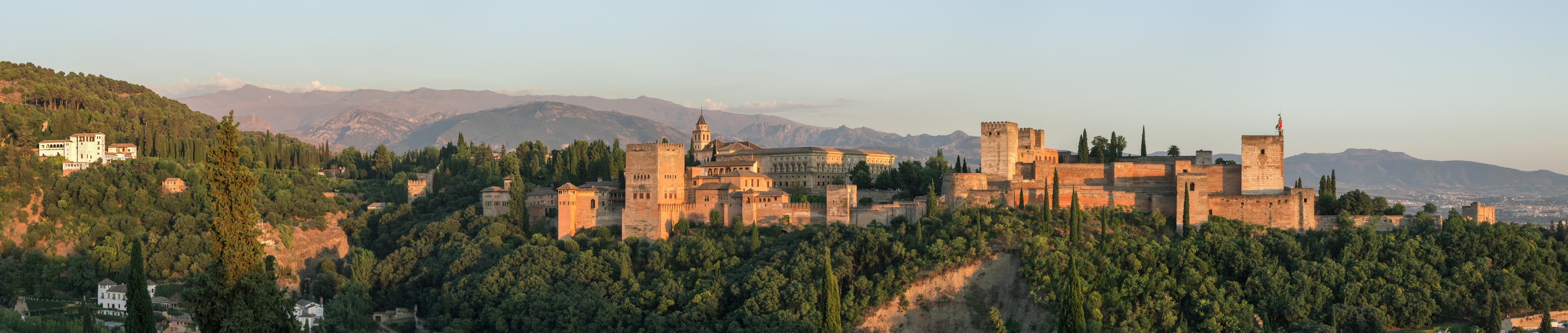
The classic sunset stop is Mirador de San Nicolas, with the Alhambra backed by the Sierra Nevada. It can be crowded, but the view is famous for a reason. If you want a calmer experience, save a few nearby viewpoints and choose based on crowd levels when you arrive.
8:30 PM: Dinner in Albaicin or back in the center
For dinner, decide whether you want atmosphere or convenience. Staying in Albaicin can feel magical, especially if you have a booking or saved options nearby. Returning to the center is easier if you are tired, have an early Alhambra slot the next day, or want more restaurant choice.
Do not leave the hill without checking your route down. The prettiest lane is not always the most practical one after dark.
Day 2: Alhambra and Generalife
Day two is the reason many travelers come to Granada. Build the day around your Nasrid Palaces time slot, then let the rest of the Alhambra complex breathe around it.
Morning: Enter the Alhambra with time to spare
Arrive earlier than you think you need to, especially if this is your first visit. The Alhambra is not just one building. It is a complex of palaces, gardens, walls, viewpoints, courtyards, museums, and paths, and the entrance logistics matter.
Your most important rule: protect your Nasrid Palaces time slot. Check the official ticket instructions, bring the required ID if listed, and do not plan a tight breakfast or taxi arrival that risks the visit.
Nasrid Palaces: Slow down
The Nasrid Palaces are the emotional center of the Alhambra for most visitors: carved plasterwork, courtyards, water, symmetry, inscriptions, tiles, and rooms that change with the light. This is not the place to sprint.
Give yourself permission to move slowly, pause in courtyards, and look back as you pass through rooms. Some of the best views are behind you.
Generalife and gardens
After the palaces, move into the Generalife and gardens when your energy is still good. The gardens give you shade, water, terraces, and views that feel different from the palace interiors.
In spring, the gardens can be the highlight. In summer, they are also practical: shade and water make the visit feel less punishing than open city streets.
Alcazaba and viewpoints
The Alcazaba section gives you some of the strongest views over Granada. From here, you can understand the city structure: the lower center, Albaicin, Sacromonte, hills, and the wider plain beyond.
If you are short on energy, choose viewpoints deliberately rather than trying to tick every corner. The Alhambra is better when you leave with clear memories, not just sore feet.
Late lunch and recovery
After the Alhambra, plan a real pause. You may want a long lunch, a hotel break, or a quiet coffee rather than another major sight. This is especially true in hot months.
The mistake is making day two a double-feature: Alhambra plus every viewpoint plus a full tapas crawl. Keep the evening easy and you will enjoy the city more.
Evening: Realejo or a gentle tapas route
For the evening, choose Realejo or the lower center. Realejo, the old Jewish quarter, has street art, small squares, restaurants, and a calmer feel than the busiest tourist corridors.
If you want tapas, build a short route with two or three nearby stops. Keep it neighborhood-based. Crossing town for one viral place is rarely worth it when you are tired from the Alhambra.

Save these places before you forget them
Share a supported TikTok or Instagram link to Dream Trip, check the places it finds, and keep them together on your trip map.
Day 3: Sacromonte, Realejo and Hammam
Day three is for the Granada beyond the postcard: cave neighborhoods, small streets, slower food, hammam time, and a final sunset or view if the weather cooperates.
Morning: Sacromonte viewpoints and cave streets
Start with Sacromonte in the morning or late afternoon rather than in harsh midday heat. The neighborhood is known for cave houses, flamenco history, whitewashed lanes, and views back toward the Alhambra.
You can visit independently, but read current opening details for any museum, cave venue, or performance you care about. Sacromonte is atmospheric, but it is also hilly and spread out enough that saved map pins help.
Midday: Realejo and Campo del Principe
Come down toward Realejo for a slower midday. Campo del Principe is a useful anchor for lunch, coffee, or a reset. The neighborhood has enough small streets to wander without turning the day into another climb.
If you like street art, save a few Realejo murals before you go. If not, treat the neighborhood as a softer counterpoint to the Alhambra and Albaicin.
Afternoon: Hammam, museum or slow shopping
Granada is a good city for a hammam break, especially after two walking-heavy days. Book ahead if you want a specific time, and use it as an intentional reset rather than a filler activity.
Other good third-day options include a small museum, tea shops, ceramics, local food shopping, or simply revisiting your favorite viewpoint with less pressure.
Evening: Final dinner and one last view
For the final evening, keep dinner close to where you want to end the night. If you loved Albaicin, return for one more view. If you want an easier last night, stay lower in the center or Realejo.
This is where Granada feels best if you have saved more options than you need. Pick the final meal based on mood, weather, and walking energy, not because an itinerary told you to cross the city.
Where to Stay in Granada
For a first trip, choose your base based on how much hill walking you want.
Centro / Cathedral area: Best for first-timers who want easy restaurants, buses, taxis, shops, and straightforward access to most areas. It is the practical default.
Plaza Nueva / lower Albaicin: Best for atmosphere and access to Carrera del Darro, Albaicin, and the Alhambra approach. Check noise and luggage access carefully.
Albaicin: Best for romance, views, and character. Less ideal if you dislike steep streets, have heavy luggage, or want taxis to the door.
Realejo: Best for a slightly calmer base with food, street art, and walkable access to the center and Alhambra area.
Near the train station: Practical for arrivals and departures, but less atmospheric for a short first visit.
What to Eat in Granada
Granada's food scene is casual, generous, and easy to enjoy if you do not over-engineer it. The city is famous for free tapas served with drinks, but the best food plan mixes that tradition with a few proper meals.
Look for:
- Tortilla del Sacromonte: A local specialty, but check what is in it before ordering.
- Habas con jamon: Broad beans with ham, common in Andalusia.
- Remojon granadino: Orange, cod, onion, and olive salad.
- Piononos: Small sweet pastries associated with nearby Santa Fe.
- Moroccan-style tea and pastries: Especially around the lower Albaicin tea streets.
- Simple tapas routes: Best done in one neighborhood at a time.
My practical rule: use tapas for atmosphere and discovery, not as your only plan. Book or save at least one proper dinner, especially if you are traveling as a couple or group.
Granada Budget Notes
Granada can feel better value than Barcelona, Madrid, or the busiest coastal resorts, but the Alhambra, peak dates, boutique stays, and last-minute bookings can still push costs up.
Use these as planning categories rather than fixed promises:
| Trip style | What it usually means |
|---|---|
| Budget | Simple guesthouse, market snacks, tapas routes, free viewpoints, buses, and careful Alhambra planning |
| Mid-range | Central hotel, Alhambra tickets, a hammam or guided experience, a mix of tapas and booked dinners |
| Higher spend | Character hotel, private guide, hammam treatment, flamenco performance, taxis for hill-heavy routes, and more reserved meals |
The biggest budget mistake is not price, it is timing. Book the Alhambra early, choose a base that reduces transport friction, and avoid stacking paid experiences on the same day.
How to Plan Granada from Saved TikTok and Instagram Places
Granada is a saved-video trap in the best possible way. One clip is an Alhambra courtyard, another is a sunset viewpoint, another is a cave flamenco venue, another is a tea house, and another is a tapas bar down a side street. They all look close until the hills, timings, and ticket rules get involved.
Use this workflow:
- Save everything first: Alhambra entrances, viewpoints, restaurants, tea houses, hammams, flamenco venues, hotels, and photo spots.
- Tag each place by area: Centro, Albaicin, Sacromonte, Realejo, or Alhambra.
- Lock the Alhambra time slot before shaping day two.
- Build hill-heavy routes for morning or sunset, not midday.
- Keep backup food pins in the same neighborhood as your evening plan.
Dream Trip helps because it turns saved TikTok and Instagram places into a collaborative map with notes, AI planning help, and Google Maps context. Instead of screenshot chaos, your Granada plan becomes a route that respects hills, time slots, and group energy.
For more help, read how to plan a trip from TikTok, how to save places from TikTok and Instagram, and group trip planning tips.
FAQ
Is 3 days enough for Granada?
Yes. Three full days is enough for the Alhambra, Albaicin, Sacromonte, Realejo, the cathedral area, viewpoints, tapas, and one slower reset. Two days works, but you will need tighter planning.
Do I need to book Alhambra tickets in advance?
Yes. Book in advance through the official Alhambra ticketing channels once your dates are fixed. The Nasrid Palaces use timed entry, and the best slots can disappear on popular dates.
Where should I stay in Granada for a first trip?
The cathedral area or Plaza Nueva is the easiest first-timer base. Choose Albaicin if you want atmosphere and views, but only if you are comfortable with steep lanes and less straightforward luggage access.
Is Granada better than Seville?
Choose Granada for the Alhambra, mountain views, Moorish lanes, and a more compact historic feel. Choose Seville for larger-scale Andalusian energy, flamenco, palaces, nightlife, and warmer winter city-break weather. They pair very well.
Can you visit Granada as a day trip from Malaga?
Yes, but it is a long day and works best if the Alhambra is your priority and tickets are secured. If you want Albaicin, Sacromonte, tapas, viewpoints, and a calmer pace, stay overnight.
Do you need a car in Granada?
No. A car is not useful inside the historic core and can make parking harder. Use walking, buses, taxis, and trains or buses for regional connections.
Final Thoughts
Granada is not a city to brute-force. It works best when you protect the Alhambra day, keep hill-heavy walks for cooler hours, and leave enough flexibility for food, views, and small discoveries.
With three days, you can see the icons without flattening the city into a checklist. Save your ideas, group them by neighborhood, and let Granada's rhythm shape the trip.

